Frequently Asked Questions
What is the purpose of a filter cake in industrial processes?
The purpose of a filter cake in industrial processes is to separate solids from liquids by trapping the solids on the surface of the filter media, allowing the clarified liquid to pass through.
How do industries handle liquid-solid separation?
Industries handle liquid-solid separation using advanced pressure filtration systems that efficiently remove solids from liquids, providing high-quality filtrate and dry solids discharge.
How does an Oberlin filter reduce operating costs?
Oberlin filters reduce operating costs by utilizing fully automatic functionality, requiring less frequent filter media changes, and discharging dry solids, resulting in lower consumption of filtration resources.
What are the benefits of clean liquid dry solid separation?
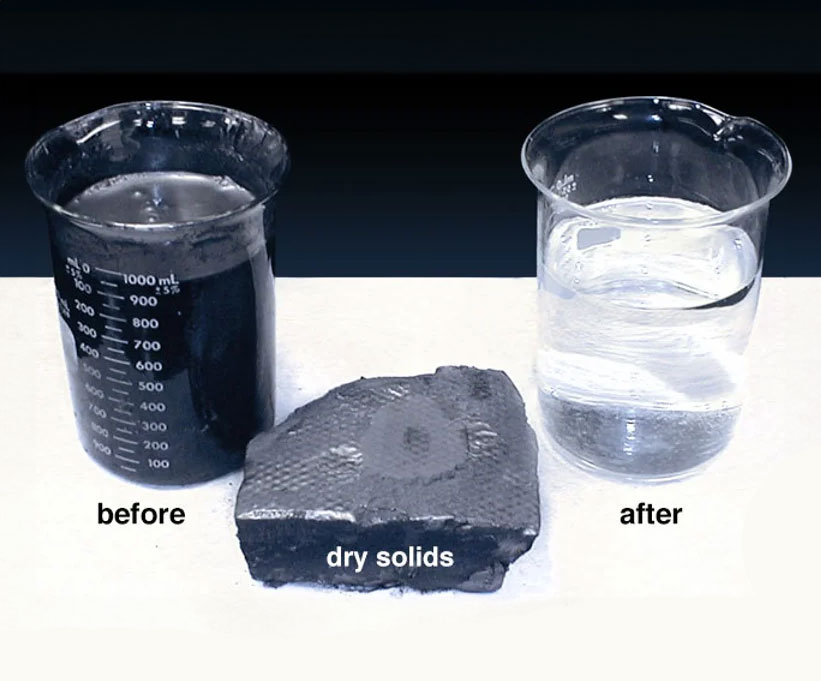
The benefits of clean liquid dry solid separation include higher efficiency, reduced media usage, and improved product quality by discharging solids in a dry state.
What is the operating principle of an Oberlin filter?
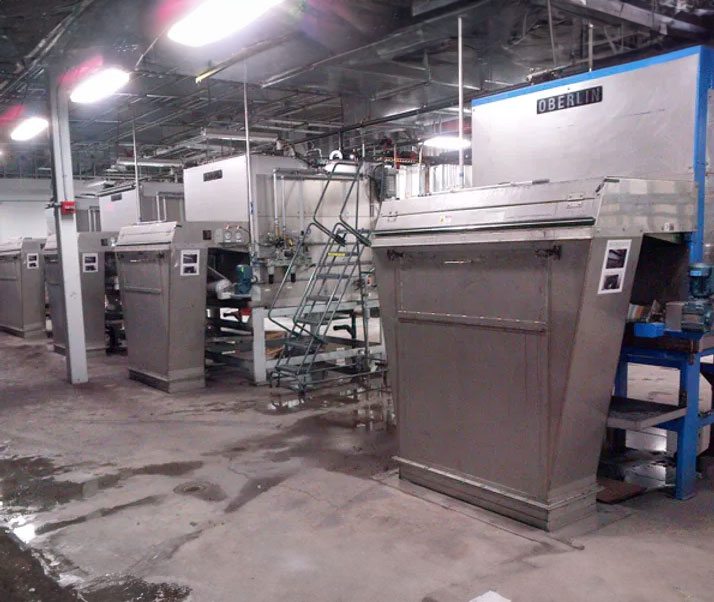
The operating principle of an Oberlin filter is a fully automated pressure filtration system that efficiently separates solids from liquids, allowing for dry solids discharge and filtration down to 1 micron.
What is the main function of an Oberlin pressure filter?
The main function of an Oberlin pressure filter is to efficiently separate solids from liquids in industrial applications, providing high-quality filtration down to 1 micron with fully automatic dry solids discharge.
How does filter cake affect filtration efficiency?
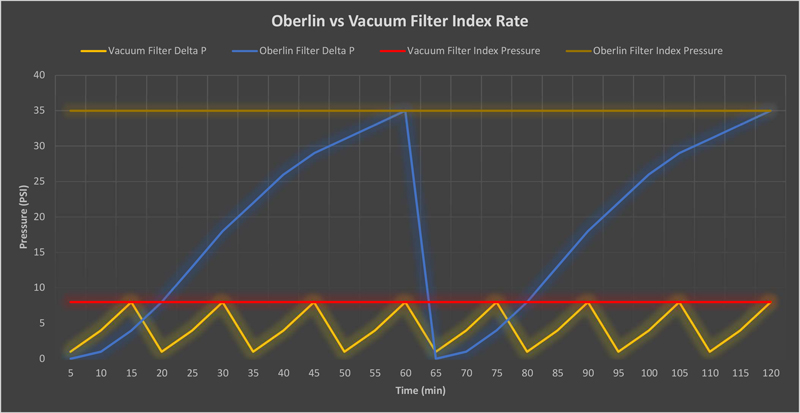
The filter cake formation affects filtration efficiency by increasing the resistance to fluid flow, leading to higher pressure drop across the filter and reduced flow rates.
How is the filter cake formed in an Oberlin filter?
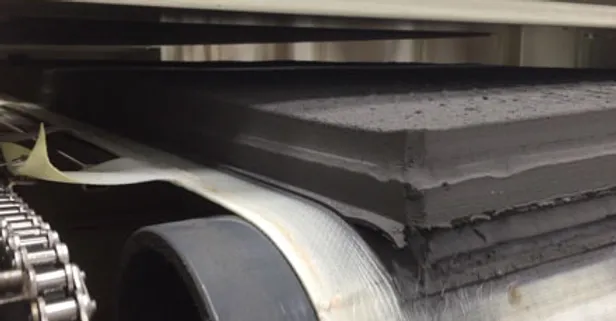
The filter cake is formed in an Oberlin filter as the feed slurry passes through the filter medium, where the solids are retained and accumulate on the surface, creating a dense cake that is then automatically discharged.
What are the characteristics of a well-formed filter cake?
A well-formed filter cake has an even, consistent thickness, is easy to discharge, and exhibits low moisture content, indicating efficient filtration and solids removal.
How does an Oberlin pressure filter remove impurities?
Oberlin pressure filters remove impurities by using a combination of filtration media and automated pressure-based mechanisms to efficiently separate solids from liquids, achieving high-quality filtration down to 1 micron.
What are the advantages of using an Oberlin pressure filter?
The advantages of using an Oberlin pressure filter include fully automatic operation, efficient solids discharge down to 1 micron, and reduced media usage compared to traditional filtration methods, resulting in higher efficiency and lower operating costs.
What are the applications of clean liquid dry solid separation?
The applications of clean liquid dry solid separation include industrial coolants, metal finishing, hot oil food processing, sulfur recovery, CNC machine coolant filtration, maritime scrubbers, breweries, sluice backwash dewatering, chemical processing, semiconductor and solar wastewater, crystallizer ZLD, and industrial process wastewater.
What is the process of separating clean liquids from dry solids?
The process of separating clean liquids from dry solids involves the use of pressure filtration systems that efficiently filter down to 1 micron while automatically discharging the dry solids.
Can filter cakes be reused or recycled?
Filter cakes from Oberlin Pressure Filters can often be reused or recycled, reducing waste and improving process efficiency. The design of Oberlin Filters enables them to discharge dry, compact filter cakes for easy handling and disposal or reuse.
What factors influence filter cake formation?
The factors that influence filter cake formation include particle size, particle charge, feed flow rate, filter pore size, and the physical and chemical properties of the solids being filtered.
How does pressure impact filtration efficiency?
Applying higher pressure during filtration improves efficiency by increasing the driving force that pushes the fluid through the filter media, resulting in faster flow rates and higher solids capture.
What materials are ideal for filter cakes?
Ideal materials for filter cakes are those with high filterability, such as crystalline solids, mineral powders, and fine-grained slurries, which can be efficiently separated and dried using pressure filtration.
How can filter cakes improve process efficiency?
Filter cakes can improve process efficiency by enabling more complete solids removal, reducing the need for frequent filter cleanings, and minimizing liquid carryover, thereby enhancing the overall filtration system's performance.
What maintenance is required for Oberlin filters?
The maintenance required for Oberlin filters involves regular inspection and cleaning of the filter elements to ensure optimal performance and extended service life.
How do Oberlin filters handle varying solids?
Oberlin filters are designed to efficiently handle varying solids concentrations through their fully automatic operation, adjustable cycle times, and robust construction, ensuring consistent performance across diverse industrial applications.
What industries benefit from Oberlin pressure filters?
Oberlin pressure filters benefit a wide range of industries, including food processing, industrial metal finishing, chemical processing, semiconductor manufacturing, and breweries, by providing efficient liquid-solid separation and dry solids discharge.
How does temperature affect liquid-solid separation?
Temperature affects liquid-solid separation by altering the viscosity and particle characteristics, which can impact filtration efficiency and cake formation. Higher temperatures typically reduce viscosity, facilitating easier liquid-solid separation.
What is the role of pressure in filtration?
The role of pressure in filtration is to drive the liquid through the filter media, enabling efficient separation of solids from the liquid stream.
How do you optimize filter cake thickness?
Optimizing filter cake thickness involves adjusting feed rate, pressure, and other operational parameters to achieve the desired cake thickness for efficient solids discharge and liquid filtration.
What challenges arise in liquid-solid separation?
Challenges in liquid-solid separation include achieving high efficiency, maintaining consistent performance, and managing complex mixtures with varying particle sizes and densities. Pressure filtration can address these challenges by providing reliable, fully automatic operation and achieving high separation quality.
How can filter cakes enhance wastewater treatment?
Filter cakes from Oberlin Pressure Filters can enhance wastewater treatment by effectively removing solids, improving effluent quality, and enabling efficient dewatering for proper disposal or recycle.
What innovations exist in pressure filtration technology?
Pressure filtration technology has seen innovations such as fully automatic operation, filtration down to 1 micron, and dry solids discharging capabilities, enabling higher efficiency and reduced media usage compared to traditional filtration methods. The Oberlin Filter sets the industry standard in pressure filtration globally.
How do Oberlin filters compare to traditional methods?
Oberlin pressure filters offer higher efficiency, reduced media usage, and fully automatic operation compared to traditional filtration methods.
What are the environmental benefits of filtration?
The environmental benefits of filtration include reduced waste, water conservation, and improved air quality. Filtration systems effectively remove contaminants, enabling the reuse of resources and minimizing the environmental impact of industrial processes.
How can filter cakes be tested for quality?
The quality of filter cakes can be tested by analyzing their moisture content, particle size distribution, and residual impurities using standard laboratory techniques.